How to Export Frozen Fish from Indonesia: Step-by-Step Guide
Introduction: Indonesia’s Role in the Global Frozen Fish Trade
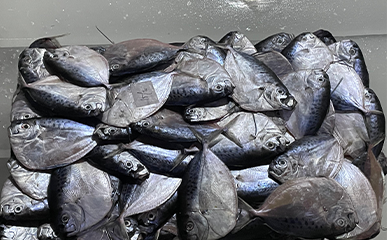
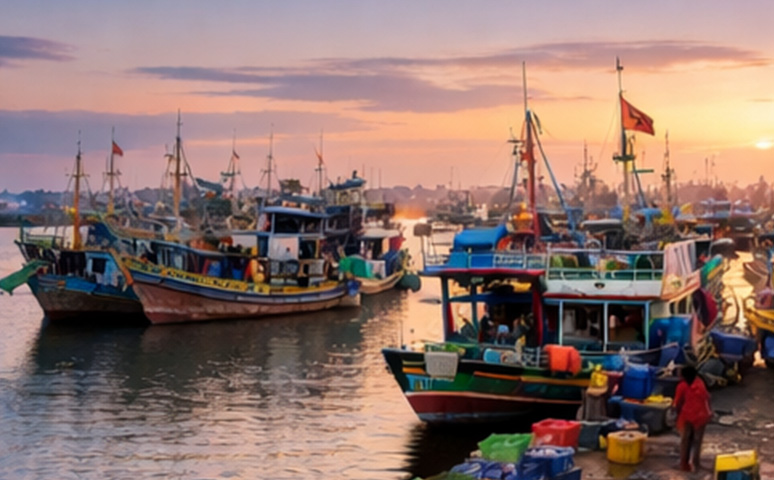
Indonesia is one of the world’s most important seafood-producing countries. With vast tropical waters, long coastlines, and established fishing communities, the country supplies frozen tuna, mackerel, sardines, reef fish, and many other species to international markets every year. For seafood importers, wholesalers, and distributors, Indonesia is widely recognized as a reliable origin for frozen fish—provided exports follow proper handling, processing, and regulatory standards.
Frozen fish dominates Indonesia’s seafood exports because freezing preserves quality, extends shelf life, and allows long-distance shipping while maintaining food safety. Unlike fresh or chilled products, frozen fish offers predictable logistics and consistent quality, making it the preferred format for international B2B trade.
This article explains how frozen fish exports from Indonesia actually work in practice. It walks through each step of the export process, from raw material sourcing and processing under HACCP systems to documentation, packaging, and international logistics. The goal is to provide clear, practical knowledge for buyers who want to understand the real export workflow—not marketing claims.
Step 1: Understanding Why Frozen Fish Is the Dominant Export Format
Frozen fish accounts for a large share of Indonesia’s seafood exports for several practical reasons:
-
Shelf life stability – Proper freezing at -18°C or below significantly slows microbial growth and enzymatic activity.
-
Logistics efficiency – Frozen products can be shipped by sea in reefer containers rather than costly air freight.
-
Market flexibility – Buyers can store, redistribute, or process frozen fish according to their supply chain needs.
-
Regulatory acceptance – Most importing countries have well-established regulations for frozen seafood imports.
In many cases, frozen fish also allows processors to standardize grading, sizing, and packaging, which is critical for large-volume B2B contracts.
Step 2: Export-Grade Fish Selection and Raw Material Handling
Frozen fish exports begin at the raw material level. Export-grade fish is typically selected based on:
-
Species identification and legality
-
Physical condition (no excessive bruising, odor, or discoloration)
-
Size consistency
-
Proper onboard handling after catch
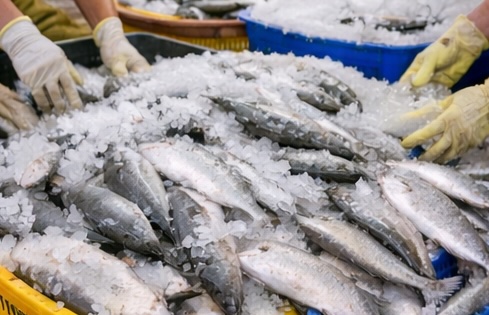
Fish intended for export is usually chilled immediately using ice or refrigerated seawater systems. Temperature control from the moment of harvest is critical. Delays or temperature abuse at this stage can permanently affect quality, even if the fish is later frozen.
Most export-oriented processors work closely with registered fishing vessels, landing sites, or collectors that follow basic hygiene and traceability requirements.
Step 3: Processing and Freezing Under HACCP-Based Systems
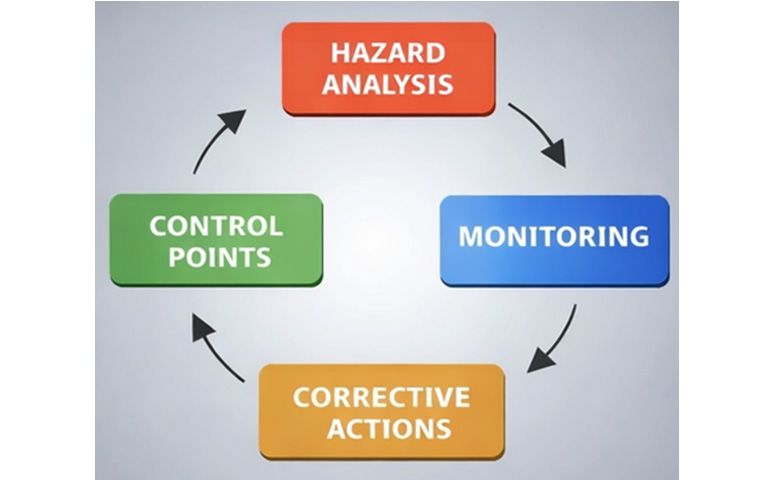
Once raw fish arrives at the processing facility, it enters a controlled environment designed to meet international food safety standards. Most export-approved plants operate under HACCP (Hazard Analysis and Critical Control Points) principles, which are widely recognized across global seafood markets.
Typical Processing Flow
-
Receiving and temperature inspection
-
Washing and cleaning
-
Heading, gutting, filleting, or portioning (depending on product type)
-
Final washing and inspection
-
Freezing
-
Glazing (for some products)
-
Packaging and cold storage
Freezing Methods
Two common freezing methods are used:
-
IQF (Individually Quick Frozen): Each piece is frozen separately, suitable for fillets and portions.
-
Block freezing: Fish is frozen in blocks, often used for whole fish or bulk processing.
Freezing is typically done at temperatures well below -30°C to ensure rapid core freezing, followed by storage at -18°C or colder.

Step 4: Maintaining Cold Chain Integrity
Cold chain management is one of the most critical aspects of frozen fish exports. A single temperature failure can lead to quality loss, regulatory rejection, or commercial disputes.
Cold chain control includes:
-
Continuous frozen storage at -18°C or below
-
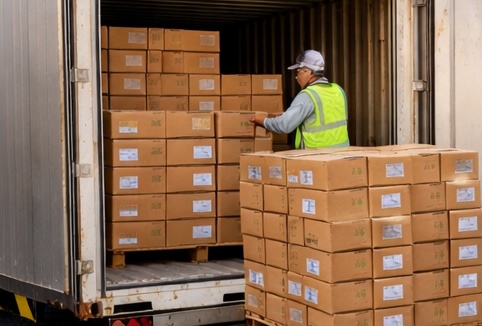
Temperature-monitored transport from factory to port
-
Pre-cooled reefer containers
-
Temperature logging during shipment
Professional exporters rely on data loggers and reefer monitoring systems to document temperature compliance throughout the journey.
Step 5: Packaging and Labeling for Export Markets
Export packaging is designed to protect product integrity and comply with importing country regulations.
Common Packaging Formats
-
Master cartons with inner polybags
-
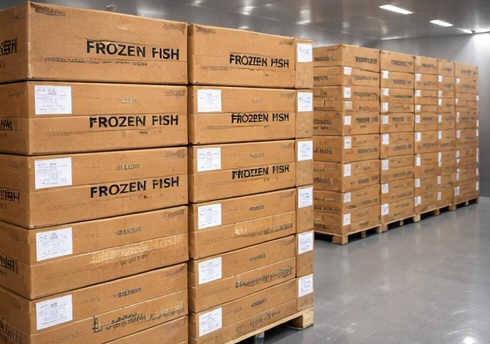
Printed cartons with product and handling information
-
Palletized cargo for efficient container loading
Standard Label Information
-
Product name and species
-
Net weight and gross weight
-
Production date and lot code
-
Storage instructions (“Keep Frozen at -18°C”)
-
Country of origin
Labeling requirements may vary between markets, particularly in the EU, United States, and East Asia, so exporters typically adapt labels to buyer specifications.
Step 6: Export Documentation Commonly Required
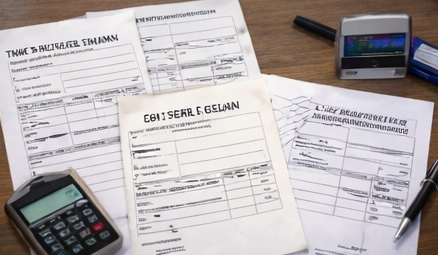
Frozen fish exports rely on a standardized set of commercial and regulatory documents. While requirements vary by destination, the following are commonly used:
-
Commercial Invoice – Details seller, buyer, product description, and value
-
Packing List – Carton count, weight, and packaging details
-
Health Certificate – Issued by the competent authority confirming food safety compliance
-
Certificate of Origin – Identifies the product’s country of origin
-
Bill of Lading – Issued by the shipping line as proof of shipment
Accurate documentation is essential. Even minor inconsistencies can delay clearance or trigger inspections at the destination port.
Step 7: Importing Country Regulations and Market Differences
Each importing market has its own regulatory framework for frozen seafood:
-
European Union: Strong emphasis on traceability, approved establishments, and official health certification
-
United States: Compliance with FDA seafood HACCP regulations and importer verification programs
-
East Asia: Product labeling, species verification, and temperature compliance are key focus areas
Experienced exporters stay updated on destination-specific requirements and coordinate closely with buyers to ensure smooth entry.
Step 8: Logistics, Shipping, and Incoterms (High-Level Overview)
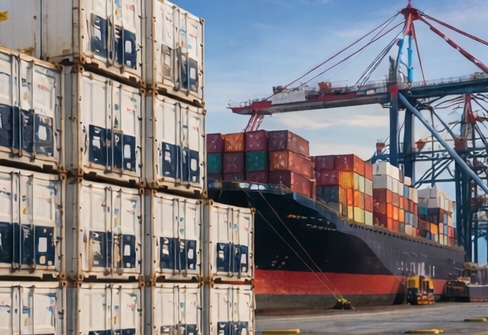
Frozen fish exports are typically shipped via sea freight using reefer containers. Common Incoterms used in seafood trade include:
-
FOB (Free On Board): Buyer arranges freight after loading
-
CFR (Cost and Freight): Seller arranges freight without insurance
-
CIF (Cost, Insurance, and Freight): Seller includes insurance
Transit times vary depending on destination, but frozen products are well-suited for long-distance shipping when cold chain integrity is maintained.
Step 9: Realistic Challenges in Frozen Fish Exports
Exporting frozen fish is not without challenges:
-
Raw material seasonality
-
Temperature deviations during inland transport
-
Documentation errors
-
Changing import regulations
-
Port congestion or shipping delays
Professional exporters manage these risks through planning, monitoring, and clear communication with buyers and logistics partners.
Conclusion: A Structured and Reliable Export Process
Exporting frozen fish from Indonesia is a structured process built on proper raw material handling, HACCP-based processing, cold chain management, accurate documentation, and compliant logistics. When these elements are handled correctly, Indonesia remains a dependable source of frozen seafood for global markets.
For international buyers, understanding how the export process works provides clarity, reduces risk, and supports long-term supply relationships. Frozen fish exports succeed not because of bold claims, but because of disciplined systems, regulatory compliance, and consistent execution across every step of the supply chain.