Global Demand for Indonesian Seafood: Key Export Markets
Introduction: Indonesia in the Global Seafood Supply Chain
Indonesia occupies a strategic position in the global seafood supply chain. As an archipelagic country with extensive coastlines, productive fishing grounds, and long-standing fishing communities, Indonesia is consistently recognized as one of the world’s largest producers of marine capture fisheries and aquaculture products. Its seafood exports reach a wide range of international markets, supplying both staple proteins and higher-value products to diverse consumer segments.
Global demand for Indonesian seafood is shaped not by a single product or destination, but by a combination of geography, species diversity, processing capability, and the growing international preference for frozen and processed seafood. For B2B buyers, understanding where Indonesian seafood is traded—and why different markets demand different formats—is essential for navigating sourcing decisions and supply planning.
This article examines the key export markets for Indonesian seafood, the types of products each market typically imports, and the broader trends driving international demand. The focus is analytical and data-informed, reflecting commonly referenced patterns in global seafood trade rather than speculative projections.
Why Indonesian Seafood Is in Global Demand
Several structural factors explain why Indonesian seafood continues to be sought after internationally:
-
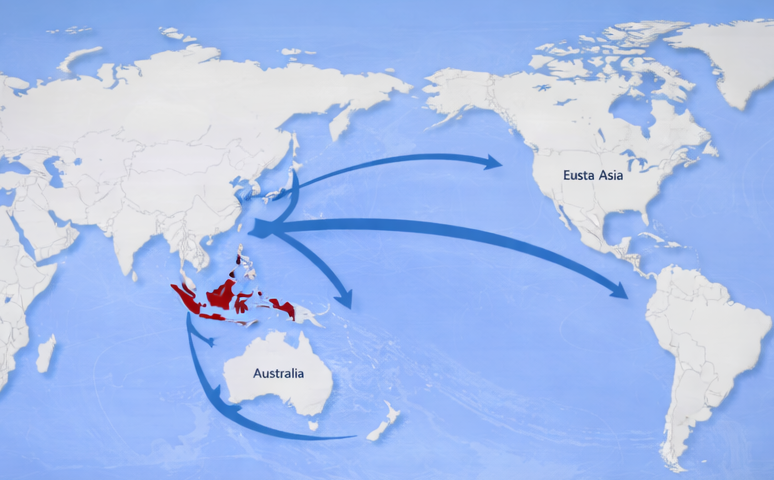
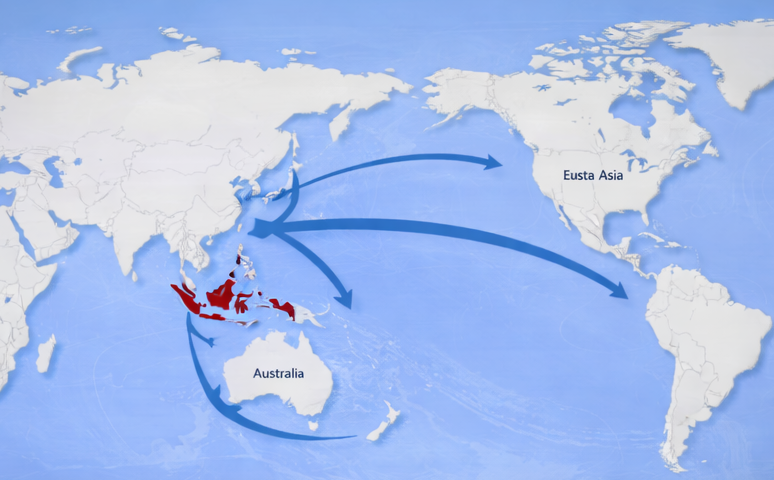
Geographic advantage: Indonesia sits between major consuming regions in Asia-Pacific and global shipping routes connecting Asia, Europe, and the Americas.
-
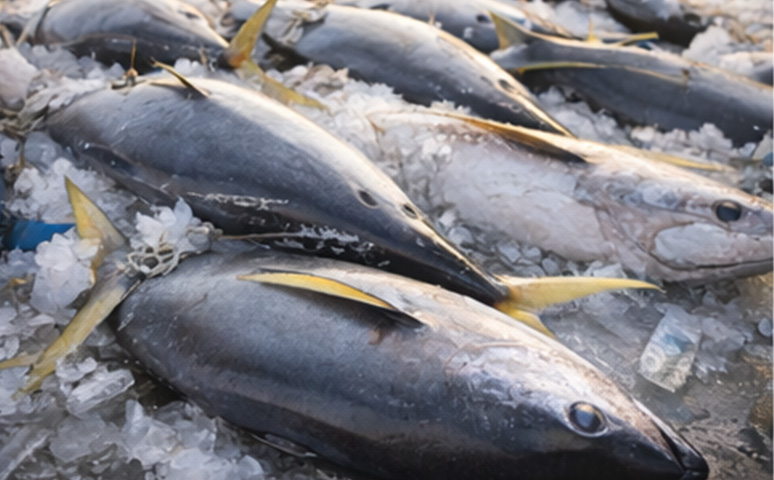
Species diversity: From tuna and small pelagics to shrimp, squid, and reef fish, Indonesia supplies a wide range of species used across different cuisines and industries.
-
Production scale: Large volumes support both high-frequency shipments and long-term supply contracts.
-
Processing orientation: A significant share of exports is shipped in frozen or semi-processed formats, aligning with global logistics and storage preferences.
Demand is further supported by global population growth, urbanization, and increased seafood consumption in both developed and emerging markets. These trends have strengthened the role of exporting countries like Indonesia in stabilizing international seafood supply.
Key Export Markets for Indonesian Seafood
East Asia
East Asia represents one of the most significant destinations for Indonesian seafood exports. Countries in this region have long-established seafood consumption cultures and strong import infrastructure.
Typical product demand:
-
Frozen whole fish
-
Tuna loins and portions
-
Squid and cuttlefish
-
Shrimp and other crustaceans
Buyer priorities:
-
Consistent size grading
-
Visual quality and freshness indicators
-
Cold chain reliability
Markets in East Asia often source Indonesian seafood for both domestic consumption and further processing, making supply consistency a central concern.

Southeast Asia
Intra-regional trade within Southeast Asia is an important but sometimes overlooked component of Indonesian seafood exports. Shorter shipping distances and shared consumption patterns shape demand.
Typical product demand:
-
Frozen whole fish
-
Small pelagic species
-
Value-oriented seafood products
Buyer priorities:
-
Competitive pricing
-
Reliable delivery schedules
-
Flexible product specifications
This market often absorbs a mix of export-grade and mid-tier products, reflecting diverse income levels and consumption habits.
Australia
Australia is a consistent importer of Indonesian seafood, particularly for frozen products used in retail and foodservice.
Typical product demand:
-
Frozen fish fillets and portions
-
Shrimp and cephalopods
-
Ready-to-cook seafood items
Buyer priorities:
-
Food safety management systems
-
Traceability documentation
-
Stable product quality
Australia’s reliance on imports to supplement domestic supply makes Indonesia a practical sourcing partner, particularly for frozen seafood with predictable logistics.
European Union
The European Union is one of the most regulated seafood import markets globally. Demand from this region is steady but shaped by detailed technical and administrative requirements.
Typical product demand:
-
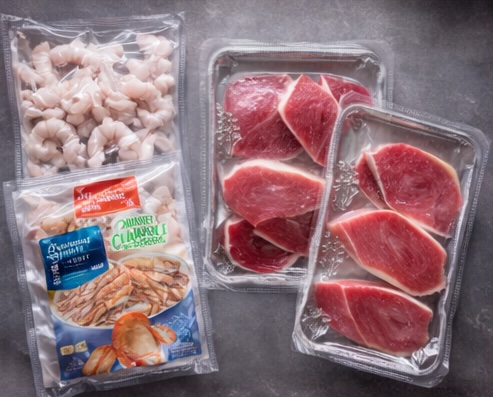
Frozen tuna loins
-
Shrimp and cephalopods
-
Processed and semi-processed seafood
Buyer priorities:
-
Traceability and documentation
-
Consistent labeling and packaging
-
Cold chain monitoring
European buyers often prioritize long-term supplier relationships and documented quality systems, making process reliability as important as product characteristics.
Middle East
Seafood consumption in the Middle East has grown alongside population increases, tourism, and foodservice expansion.
Typical product demand:
-
Frozen whole fish
-
Tuna and pelagic species
-
Bulk-packed seafood for catering
Buyer priorities:
-
Halal handling awareness
-
Competitive pricing
-
Reliable shipping schedules
The region’s limited domestic fisheries make imports essential, and Indonesian seafood is often positioned as a practical source for frozen fish products.
North America
North America—particularly the United States—remains a major seafood import market globally. Indonesian seafood enters this market through both direct consumption and further processing channels.
Typical product demand:
-
Frozen tuna loins and steaks
-
Shrimp and value-added products
-
Portion-controlled seafood for foodservice
Buyer priorities:
-
HACCP-based processing systems
-
Product consistency across shipments
-
Documentation and importer verification
North American buyers often emphasize risk management and supplier transparency, especially for frozen seafood distributed through national supply chains.

Global Trends Driving Demand for Indonesian Seafood
Several macro-level trends continue to shape international demand:
Growth in Frozen Seafood Consumption
Frozen seafood has gained broader acceptance due to improved freezing technology, reduced waste, and flexible storage. Indonesian exporters benefit from this shift, as frozen formats dominate their export mix.
Expansion of Foodservice and Catering
Urbanization and tourism have driven demand for standardized seafood products suitable for restaurants, hotels, and catering operations.
Sustainability and Resource Awareness
While expectations vary by market, buyers increasingly ask about sourcing practices, catch methods, and traceability—even when formal certifications are not required.
Adapting to Market-Specific Requirements
Indonesian seafood suppliers often adapt products and processes to align with different market expectations, such as:
-
Adjusting cut sizes and packaging formats
-
Modifying labeling to match destination regulations
-
Aligning documentation with buyer specifications
These adaptations are operational rather than promotional, reflecting practical responses to market demand rather than guarantees of regulatory approval.
Challenges in Serving Global Markets
Despite strong demand, exporting seafood internationally involves challenges:
-
Differing regulatory frameworks between markets
-
Logistics disruptions and port congestion
-
Price volatility driven by fuel and freight costs
Successful exporters manage these challenges through planning, communication, and conservative quality control practices.

Conclusion: Indonesia’s Role in Meeting Global Seafood Demand
Global demand for Indonesian seafood reflects structural realities of the international seafood trade: rising consumption, limited domestic supply in many regions, and growing reliance on frozen, well-managed products. Across East Asia, Europe, North America, and other regions, Indonesian seafood supports a wide range of applications—from retail and foodservice to further processing.
Rather than being driven by claims or branding, this demand is sustained by Indonesia’s production capacity, product diversity, and ability to adapt to market-specific requirements. For international B2B buyers, understanding these export markets and demand patterns provides valuable context for sourcing decisions in an increasingly interconnected seafood economy.