Introduction: Exploring a Different Seafood Supply Opportunity
International seafood trade is not limited to supplying seafood for human consumption. Wild-caught fish can also become an important raw material for aquaculture operations, including tuna farming and fattening activities where whole fish or other marine feed sources may be used.
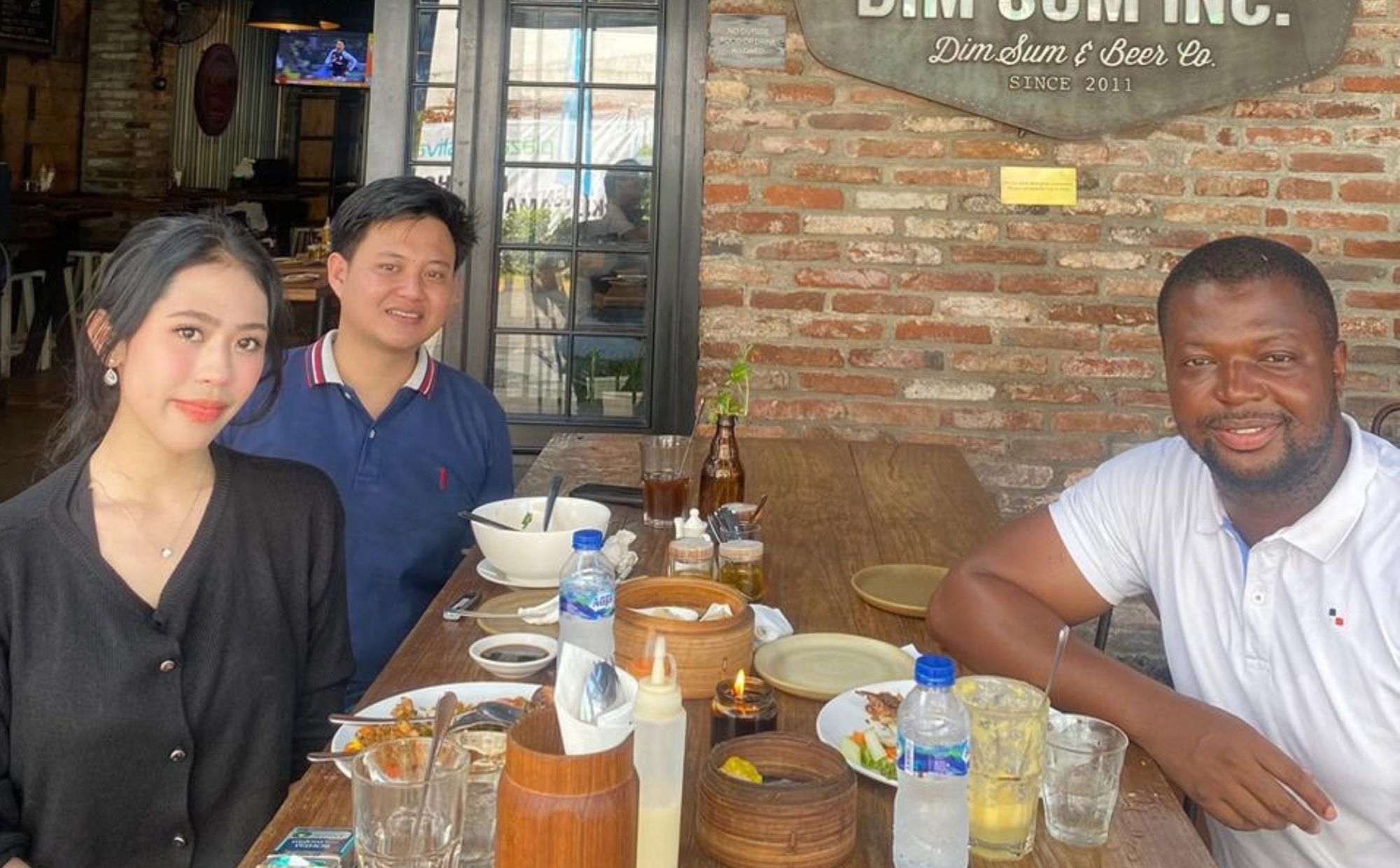
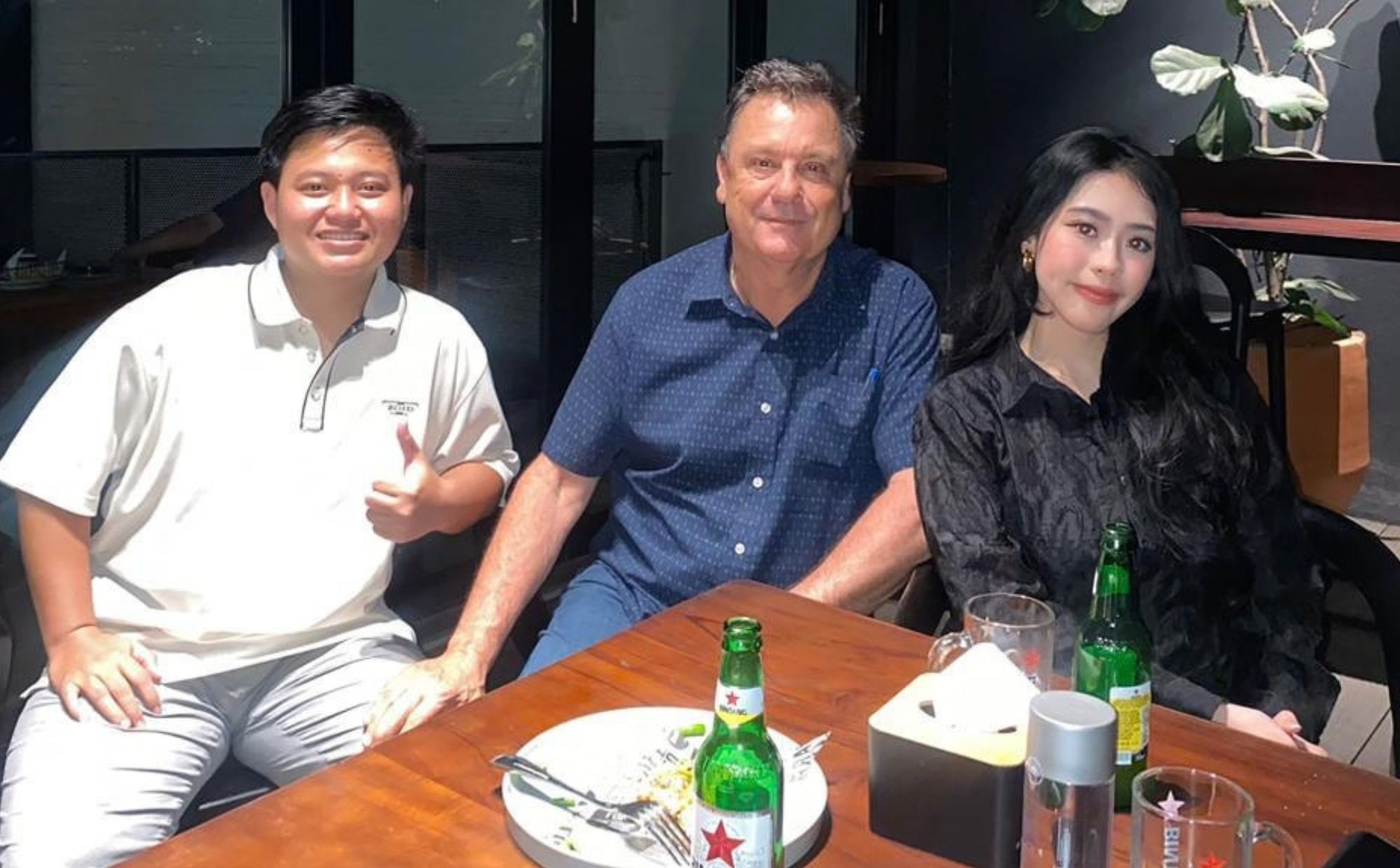
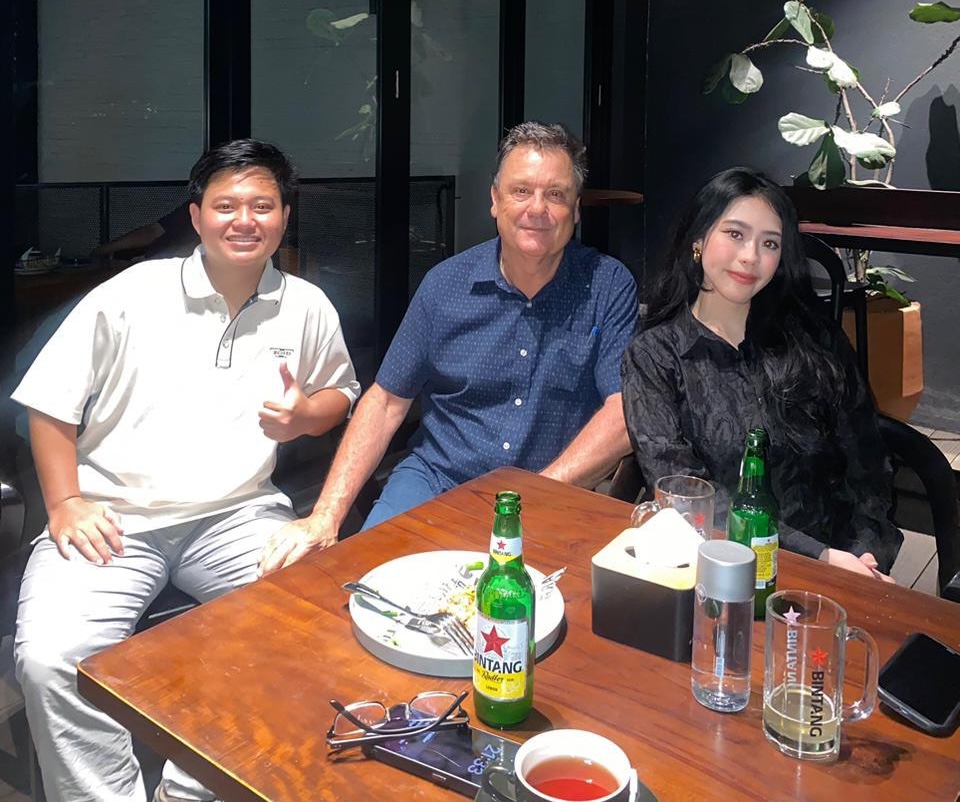
This was the context of a business discussion between the Indonesia Seafood team and Marcus Stehr, where the conversation explored potential seafood supply opportunities for tuna farming operations. The discussion focused on small pelagic and other relatively affordable fish that could potentially be sourced from Indonesia and supplied in bulk.
Among the species discussed were Buru, Layang (Scad / Horse Mackerel), Tongkol (Small Tuna Species), and other affordable small fish that may be suitable for tuna farming feed, depending on the buyer's technical specifications and feeding requirements.
The conversation also included a potential requirement of approximately 10–12 containers per month. This figure should be understood as a demand level discussed during the meeting, rather than a confirmed purchase order, contract, or finalized supply commitment.
The discussion highlights an interesting area of the Indonesian seafood export industry: supplying frozen small pelagic fish not only to conventional seafood markets but also to aquaculture operations that require reliable quantities of feed fish.
Understanding the Buyer Discussion
The central topic of the meeting was the possibility of sourcing fish from Indonesia for use as tuna farming feed.
Unlike seafood destined for supermarkets or restaurants, feed fish for aquaculture are evaluated according to somewhat different commercial priorities. The buyer may be more concerned with:
-
Consistent monthly availability
-
Appropriate fish size
-
Nutritional characteristics
-
Acceptable freshness and handling
-
Frozen condition
-
Competitive bulk pricing
-
Reliable container availability
-
Consistent delivery schedules
For a tuna farming operation, interruptions in feed supply can create operational problems. This makes supply consistency particularly important when discussing recurring volumes.
The potential requirement of 10–12 containers per month, as discussed during the meeting, therefore represents a potentially significant recurring volume. However, actual requirements would need to be confirmed through further discussions covering species, size, packing configuration, destination, pricing, specifications, and shipment schedules.
Why Small Pelagic Fish Are Important in Tuna Farming Feed
Tuna are carnivorous fish with high metabolic and nutritional requirements. In several tuna farming and fattening systems, particularly bluefin tuna operations, wild-caught small pelagic fish have traditionally been used as feed.
FAO and aquaculture literature describe species such as sardines, mackerel, herring, horse mackerel, and other small pelagic fish as important components of tuna-farming diets. Their use is partly related to their availability, relatively high lipid content, and suitability as whole-fish feed.
This is an important distinction when discussing tuna farming feed. The objective is not necessarily to produce a conventional processed aquaculture pellet. In some tuna farming systems, whole frozen fish can be thawed and fed directly to tuna.
Research on tuna aquaculture has also noted the industry's historical dependence on wild-caught feed fish, although alternative formulated and moist feeds have been investigated as aquaculture technology develops.
For a potential Indonesian supplier, this creates demand for fish that may not necessarily meet the same visual specifications as premium seafood intended for sashimi or retail markets.
Potential Species for Tuna Farming Feed
Layang (Scad / Horse Mackerel)
Layang is one of Indonesia's important small pelagic fish groups. In international seafood communication, Layang is commonly associated with scad or horse mackerel, particularly species within the Decapterus genus.
Species within the Decapterus genus are widely caught in Indonesian waters. Research on Layang (Decapterus russelli) in Tomini Bay, for example, describes the species as an important target for local fishers and identifies mini purse seines as one of the fishing methods used.
The broader Southeast Asian fisheries sector also has a substantial small-pelagic component, with scads representing an important marine fish group.
For bulk tuna feed applications, Layang may therefore be commercially interesting where the available size range, quality, price, and supply volume match the buyer's requirements.
For international transactions, the exact Layang species and scientific name should be confirmed because the Indonesian common name can cover different species within the scad group.
Tongkol (Small Tuna Species): An Important Naming Consideration
The term Tongkol requires particular attention in international seafood transactions because it can refer to more than one tuna-like species in Indonesian commercial usage.
For international buyers, Tongkol should therefore be described with the specific English common name and scientific name whenever the species has been confirmed.
For example, Kawakawa Tuna (Euthynnus affinis) and Frigate Tuna (Auxis thazard) are distinct species, although both may appear under broader local tuna-related terminology.
For export transactions, buyers and suppliers should therefore confirm the exact scientific species name rather than relying exclusively on the Indonesian common name Tongkol.
This is particularly important when preparing:
-
Commercial invoices
-
Packing lists
-
Health certificates
-
Product specifications
-
Customs documentation
-
Traceability records
Accurate species identification reduces the risk of misunderstanding between the buyer, processor, freight forwarder, and importing authority.
Buru and Other Affordable Small Fish
The meeting also discussed Buru and other affordable small fish as potential feed sources.
Because common or local fish names can vary between regions, the exact species represented by a commercial name such as Buru should be confirmed before a transaction is finalized. This is especially important for international buyers who require precise species identification.
For tuna farming feed, the commercial suitability of an additional small fish species may depend on:
-
Fish size
-
Fat content
-
Seasonal availability
-
Catch volume
-
Price
-
Handling method
-
Frozen condition
-
Destination requirements
The important point is that a feed-fish sourcing program does not necessarily need to depend on one species. A broader sourcing strategy may provide flexibility when seasonal availability changes, provided alternative species are acceptable to the buyer.
Size and Quality Considerations for Aquaculture Feed
Feed fish intended for tuna farming may have different specifications from premium seafood products.
A buyer may establish requirements around several factors.
Fish Size
The size of feed fish can affect handling, storage, and feeding efficiency. A farm may prefer a relatively consistent size range so feeding operations can be managed more predictably.
For Layang, Tongkol, Buru, or other candidate species, size specifications should therefore be agreed before procurement begins.
Freshness Before Freezing
Although feed fish may not be destined for human consumption, raw material quality still matters. Fish that deteriorates significantly before freezing can create problems with odor, texture, nutritional value, and handling.
Temperature
Rapid chilling after capture and appropriate freezing are important for preserving quality before the product enters long-term storage.
Physical Condition
The buyer may specify acceptable levels of broken fish, excessive bruising, deterioration, or other defects depending on how the product will be used.
Species Consistency
If the buyer has established a feeding strategy around specific fish types, unintended species substitution can become a commercial issue.
These specifications should therefore be established before procurement rather than assumed from a general product name.
Processing and Freezing Requirements
For bulk feed-fish supply, processing requirements can be simpler than those for high-value retail products. However, proper handling remains important.
Depending on the buyer's requirements, products may be supplied as:
-
Whole round frozen fish
-
Head-on, gutted fish
-
Block-frozen fish
-
Individually frozen fish
-
Bulk-packed frozen fish
Block freezing can be practical for high-volume shipments because it allows efficient storage and transport. IQF may be useful where individual fish handling is required, although the appropriate freezing method depends on product size, intended application, processing capacity, and commercial specifications.
Export-oriented facilities should maintain appropriate hygiene and temperature controls throughout receiving, processing, freezing, storage, and loading. HACCP-based food safety systems are commonly used in international seafood processing to identify and control relevant hazards.
Cold Chain Management for Frozen Small Pelagic Fish
For a potential bulk frozen fish supply, cold chain management becomes particularly important because shipments may involve large quantities and long transportation distances.
A typical supply chain can involve:
Fishing vessel → landing site → processing facility → freezing → cold storage → inland transport → port → reefer container → destination port → buyer's cold storage
Each transition creates a potential temperature-control risk.
Frozen products are generally maintained at temperatures suitable for frozen storage, commonly around -18°C or below, subject to the product specification and applicable regulations.
Important controls can include:
-
Rapid chilling after landing
-
Controlled processing temperatures
-
Proper freezing
-
Stable cold storage
-
Pre-cooled reefer containers
-
Temperature monitoring
-
Appropriate loading procedures
For recurring tuna farming feed requirements, reliability may be just as important as individual shipment quality. A buyer planning monthly feed consumption needs confidence that supply can be maintained across different fishing seasons and logistical conditions.
Bulk Frozen Fish Supply and Container Logistics
The potential requirement discussed during the meeting—approximately 10–12 containers per month—illustrates the scale that may be involved when seafood is supplied as aquaculture feed.
At this level, procurement needs to be planned as a supply program rather than a series of isolated shipments.
Several factors need to be coordinated.
Production Capacity
The exporter needs to determine whether sufficient fish can be sourced consistently without relying on unusually large individual catches.
Container Availability
Reefer container availability can vary depending on port, shipping line, season, and trade route.
Loading Capacity
The processor must have sufficient cold storage and loading capacity to prepare multiple containers according to the agreed schedule.
Shipping Schedule
Vessel schedules should be coordinated with production and feed requirements at the destination.
Documentation
Commercial and shipping documents need to remain consistent across recurring shipments, including product descriptions, weights, container numbers, and other relevant details.
Why Consistency Matters More Than a Single Shipment
For a tuna farming operation, a supplier relationship can involve significantly different requirements from a one-time seafood purchase.
The buyer may need to know:
-
Can Layang be supplied repeatedly?
-
Can Tongkol be supplied according to the required species and size?
-
What happens during the low season?
-
Can monthly volume be maintained?
-
How stable is the size distribution?
-
Can prices be managed despite seasonal changes?
-
How quickly can additional volume be arranged?
-
Can the supplier maintain consistent freezing and packaging?
Indonesia's large and diverse fisheries provide access to numerous small pelagic resources, but availability is not uniform throughout the country or throughout the year.
Historical FAO assessments show that small pelagic fish have represented a major component of Indonesian marine fisheries, with scads, mackerels, sardines, anchovies, and related species forming important fisheries.
At the same time, modern stock assessments demonstrate why supply planning must account for fisheries management and local stock conditions. This means a responsible bulk supply strategy should not simply assume that a particular species will be available in unlimited quantities.
Pricing and Supply Planning
Price is naturally an important consideration when seafood is purchased as aquaculture feed.
Feed fish are generally more price-sensitive than premium seafood products because the buyer is evaluating their economic contribution to the overall farming operation.
Pricing can be affected by:
-
Fishing season
-
Fuel costs
-
Landing volumes
-
Fish size
-
Processing requirements
-
Freezing method
-
Packaging
-
Inland transportation
-
Port charges
-
Reefer freight
-
Destination
For this reason, a potential long-term supply agreement would normally require detailed commercial discussions rather than relying on a single quoted price.
The objective should be to establish a workable relationship between fish availability, quality, volume, logistics, and delivered cost.
Challenges in Supplying Tuna Farming Feed
Several practical challenges could affect a future bulk supply arrangement.
Seasonal Availability
Small pelagic catches fluctuate naturally. A supplier may need multiple sourcing locations or species options to maintain continuity.
Size Variation
Wild-caught fish do not arrive in perfectly uniform sizes. Grading and clear buyer specifications become important.
Supply Competition
Layang, Tongkol, Buru, and other small fish may also be consumed domestically or used in other seafood and feed industries. Export supply therefore competes with other demand.
Fisheries Management
Long-term sourcing needs to account for stock conditions, fishing regulations, and responsible resource management.
Logistics
Port congestion, vessel schedule changes, reefer shortages, and freight-rate fluctuations can affect delivery planning.
Specification Changes
A buyer's requirements may evolve after initial testing or trial shipments. Suppliers need a feedback mechanism to adjust specifications without disrupting production.
Building a Potential Long-Term Supply Relationship
The discussion with Marcus Stehr represents an initial exploration of how Indonesian seafood resources could potentially support tuna farming operations.
Before a commercial arrangement could be established, both sides would need to clarify practical questions such as:
-
Which exact species are acceptable?
-
What scientific names correspond to local names such as Buru, Layang, and Tongkol?
-
What fish size range is preferred?
-
What monthly volume is actually required?
-
What packaging configuration is preferred?
-
What freezing method is acceptable?
-
What destination port will be used?
-
What documentation is required?
-
What Incoterm and payment structure would apply?
-
How will seasonal supply variations be managed?
Trial shipments can also be useful in situations where the buyer needs to evaluate fish size, quality, thawing characteristics, feeding suitability, and overall logistics before committing to larger volumes
Indonesia's Potential Role in Aquaculture Feed Supply
Indonesia's extensive fisheries sector creates opportunities beyond traditional seafood consumption markets. Small pelagic species such as Layang, other scads, mackerels, sardines, and related fish groups are already important components of the country's marine fisheries.
For an international seafood supplier in Indonesia looking to develop new B2B markets, aquaculture feed represents a distinct commercial segment. It requires a different approach from supplying premium seafood for restaurants or retail consumers.
The priorities are likely to center on volume, consistency, appropriate specifications, price, freezing, and logistics.
The potential demand discussed with Marcus Stehr demonstrates how conversations with international buyers can uncover applications for species that may have limited value in some conventional export channels but can have practical value as aquaculture feed.
At the same time, sustainable sourcing and fisheries management remain important considerations. Long-term commercial opportunities depend on matching buyer demand with what fisheries can responsibly and consistently supply.
Conclusion: From Business Discussion to Potential Supply Opportunity
The meeting between the Indonesia Seafood team and Marcus Stehr opened a discussion about a potentially different application for Indonesian seafood: supplying small pelagic fish as feed for tuna farming operations.
Species and categories discussed included Buru, Layang (Scad / Horse Mackerel), Tongkol (Small Tuna Species), and other affordable small fish, while a potential requirement of approximately 10–12 containers per month was mentioned as part of the conversation. This should be viewed as a potential demand discussed between the parties—not as a confirmed purchase order, finalized contract, or established monthly commitment.
From an industry perspective, the opportunity is understandable. Tuna farming operations can require substantial quantities of suitable feed fish, and international literature documents the use of small pelagic species such as sardines and mackerel in tuna farming systems.
For Indonesian suppliers, the challenge is not simply finding fish. A viable supply program requires reliable sourcing, accurate species identification, suitable size grading, controlled freezing, appropriate packaging, cold chain management, competitive economics, and dependable international logistics.
If these factors can be aligned with the buyer's actual requirements, Indonesia's diverse small pelagic fisheries could potentially support another segment of international seafood trade: bulk frozen fish supply for tuna farming and aquaculture operations.
Ultimately, long-term international seafood partnerships are built through clearly defined specifications, transparent communication, realistic supply planning, and consistent execution—not through volume claims or assumptions made before the commercial details are established.