Exploring a Potential Dried Anchovy Supply Opportunity
International seafood trade can create opportunities far beyond the conventional market for fresh and frozen seafood. Dried fish products, including dried anchovies, are traded internationally because drying extends shelf life, reduces the need for refrigerated storage during distribution, and creates a product that can be transported over long distances.
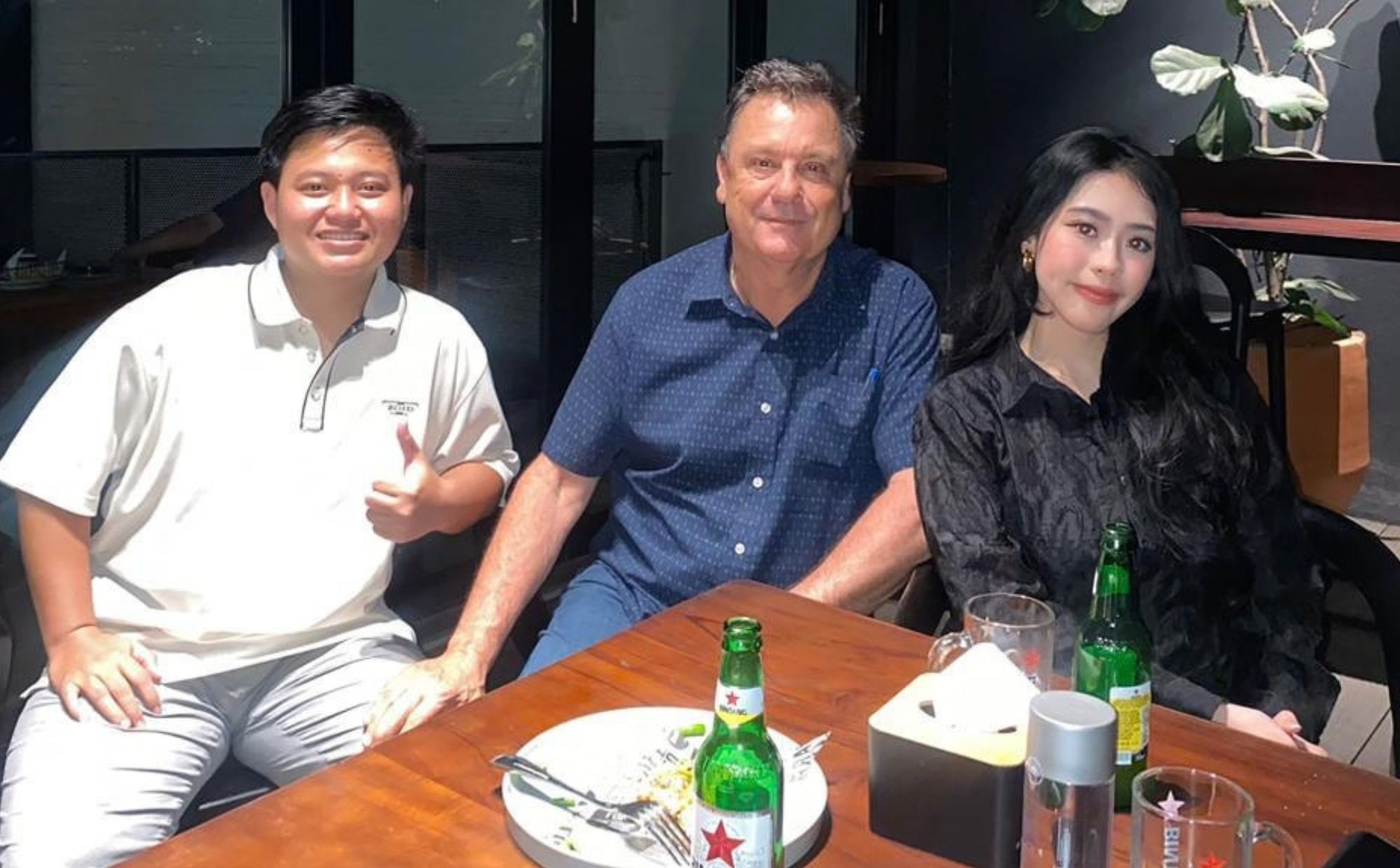
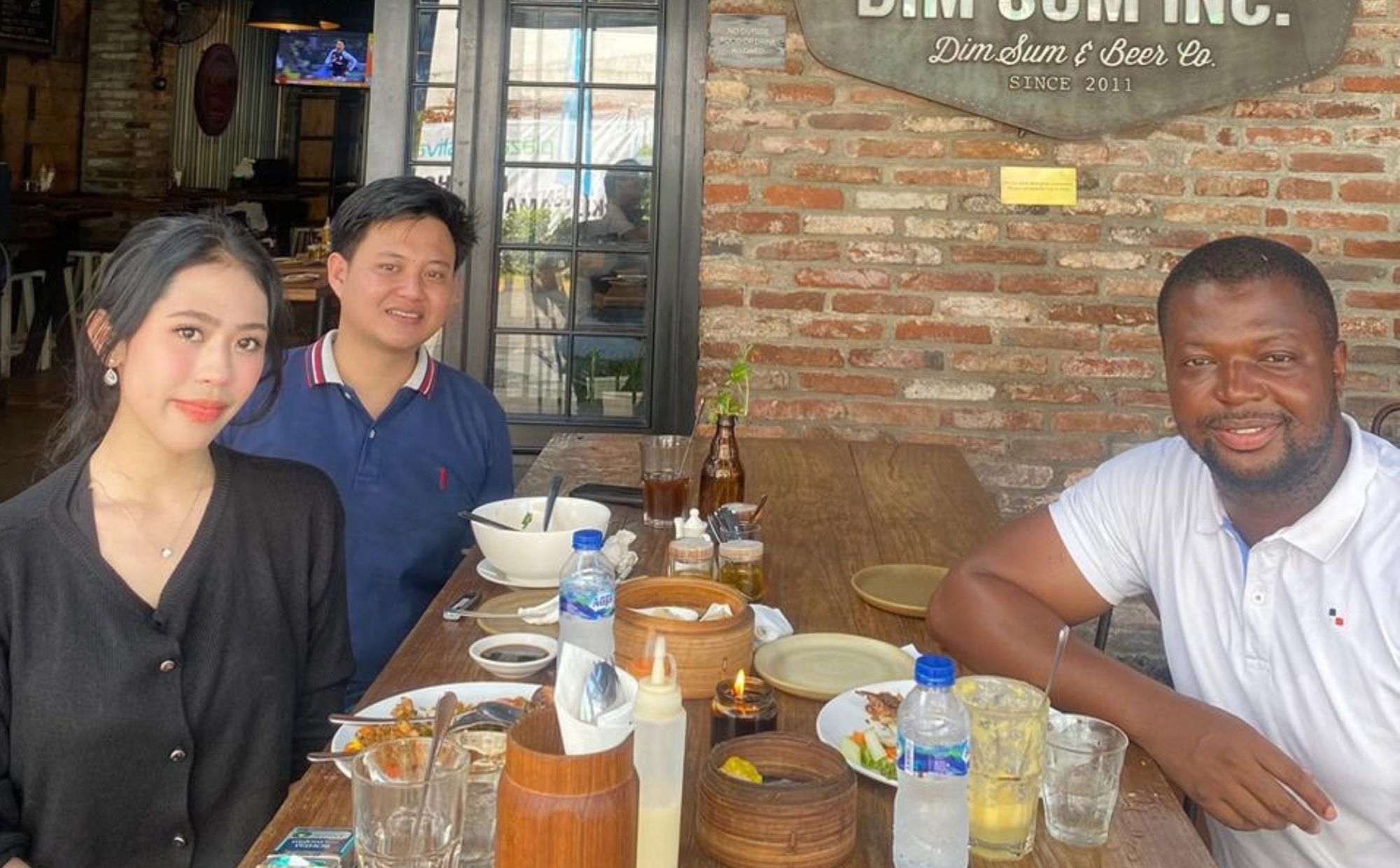
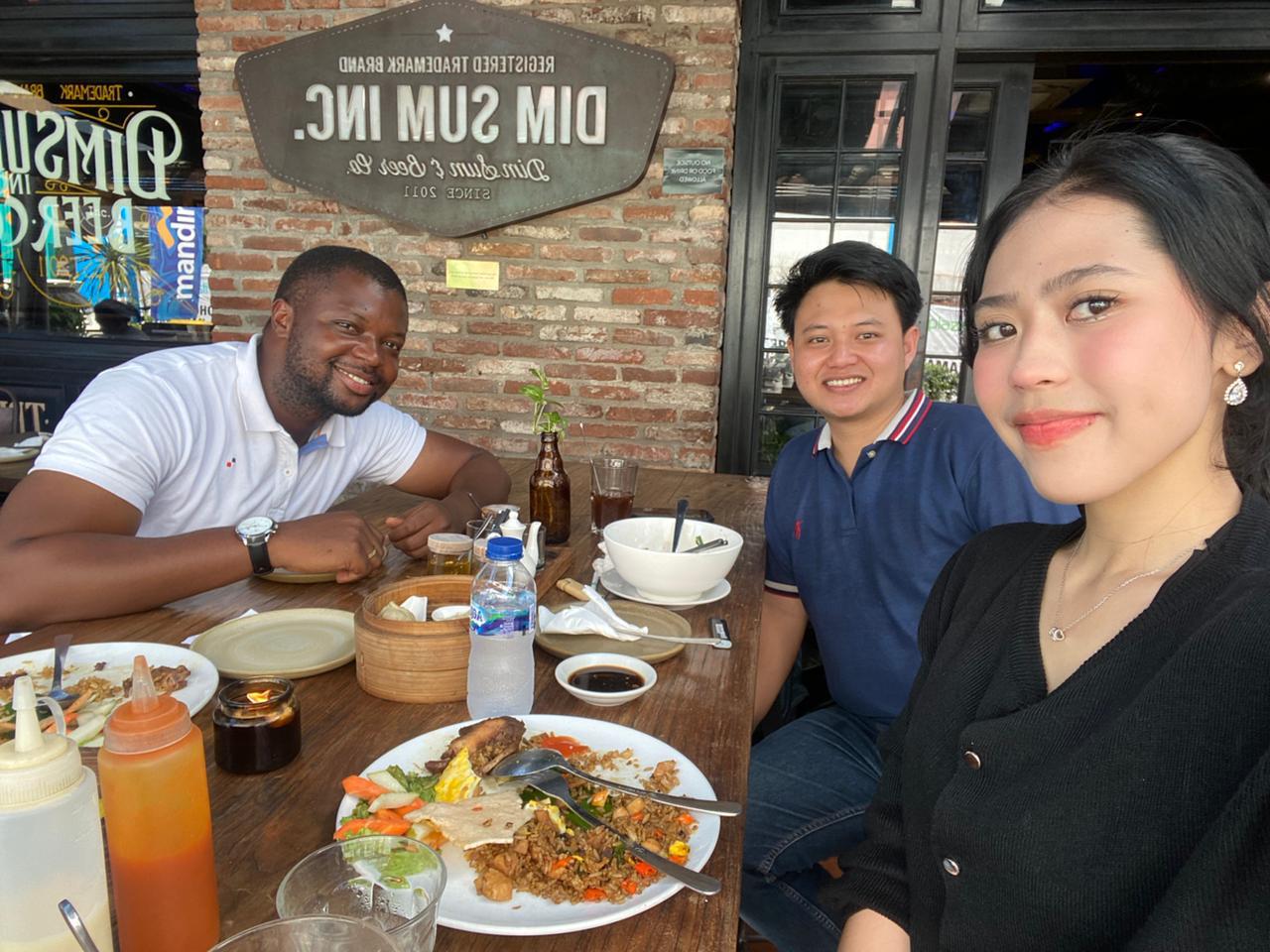
This was the focus of a business discussion between the Indonesia Seafood team and Joshua, a buyer connected with the Republic of the Congo market. The discussion explored the possibility of sourcing dried anchovies, locally known as dried ikan teri, from Indonesia for the Congo market.
An indicative requirement of approximately 1–3 containers was discussed during the meeting. This figure should be understood strictly as a potential or discussed requirement, not as a confirmed purchase order, signed contract, completed shipment, or guaranteed recurring demand.
The conversation nevertheless illustrates how Indonesian seafood suppliers can explore opportunities for processed seafood products in markets outside Indonesia's traditional export destinations.
Dried anchovies are particularly interesting because the product can be supplied in different sizes and grades and can serve a variety of food applications. For an international buyer, however, the commercial opportunity depends on much more than simply finding dried fish. Species identification, drying quality, moisture, cleanliness, packaging, price, consistency, and logistics all need to be aligned with the buyer's requirements.
Understanding the Discussion with Joshua
The main subject of the meeting was the potential sourcing of dried anchovies from Indonesia for the Republic of the Congo market.
From a supplier's perspective, a request for dried seafood is different from a conventional frozen seafood inquiry. Because dried fish is a processed product, the buyer needs to evaluate not only the raw material but also the way the fish has been handled, dried, graded, packed, and stored.
The potential requirement of 1–3 containers gives an indication of the scale discussed, but it does not establish the final quantity that would be purchased.
Before such a requirement could become an actual commercial order, several details would normally need to be confirmed, including:
-
Exact anchovy species
-
Fish size and grade
-
Whole or processed presentation
-
Salted or unsalted product
-
Drying method
-
Moisture or water-activity specification
-
Acceptable color and odor
-
Cleanliness and foreign-matter limits
-
Packaging configuration
-
Net weight per carton or bag
-
Shelf-life requirements
-
Destination and port
-
Required documentation
-
Price and Incoterms
-
Payment terms
-
Shipment schedule
These details are important because the term “dried anchovy” can describe products with significantly different characteristics.
What Are Dried Anchovies?
Dried anchovies, or dried ikan teri, are small anchovy species that have been preserved by reducing their moisture content through drying. Depending on the product and market, the fish may be washed, salted or boiled in salt water, and then dried using sunlight or artificial drying systems.
Drying works by removing water from the fish, reducing the conditions that allow spoilage microorganisms to grow. FAO guidance explains that drying can significantly reduce fish moisture and that traditional sun drying is widely used in many coastal fishing communities.
International standards and technical literature also recognize both sun drying and artificial drying as methods for producing dried anchovies. A Codex draft standard for dried salted anchovies describes products prepared from commercial anchovy species in the family Engraulidae and identifies drying as either sun drying or artificial drying.
The final product can therefore vary considerably depending on the species, raw-material quality, salting process, drying technology, and target market.
For an Indonesian dried anchovy supplier, understanding these differences is essential when preparing an export quotation.
Commercial Uses of Dried Anchovies
Dried anchovies can serve several commercial purposes.
They may be sold as a food ingredient, used to add flavor to soups, sauces, broths, and other dishes, or sold through wholesale and retail channels where consumers purchase dried seafood for household cooking.
In some markets, smaller anchovies are preferred because they can be used whole, while other buyers may have preferences based on fish size, color, salt level, or texture.
For this reason, an international buyer may not simply ask for “dried anchovies.” The buyer may have an established product specification based on the needs of downstream customers.
A supplier that can consistently reproduce the same product specification may therefore have an advantage over a supplier that can only provide irregular seasonal batches.
What International Buyers Look for When Sourcing Dried Anchovies
1. Species
Species identification is one of the first issues that should be clarified.
The Indonesian term ikan teri is widely used commercially, but international transactions should identify the exact species where required. Different anchovy species can differ in size, appearance, texture, and commercial value.
For export documentation and product specifications, the scientific name may be required depending on the destination market and applicable regulations.
2. Size
Size is another major commercial consideration.
Dried anchovies may be classified into different size ranges, with buyers specifying minimum and maximum lengths or particular grades.
Codex documentation for dried salted anchovies provides an example of size classification based on fish length, demonstrating why clear size specifications are useful in international trade.
A buyer may therefore request:
-
Small anchovies
-
Medium anchovies
-
Large anchovies
-
Mixed sizes
-
Specific length ranges
The actual specification should always be agreed with the buyer rather than assumed.
3. Moisture
Moisture is one of the most important quality factors for dried seafood.
The purpose of drying is to reduce water availability sufficiently to improve stability and reduce the risk of microbial deterioration. However, the acceptable moisture level depends on the product specification, drying process, salting method, and applicable standard.
Codex material on dried salted anchovies has included moisture and water-activity considerations as part of product quality requirements.
For commercial export, suppliers should therefore be able to verify moisture or water activity according to the agreed specification rather than relying only on visual inspection.
4. Cleanliness
Cleanliness is particularly important for dried seafood because contamination can occur during handling and drying.
The product should be protected from:
-
Sand
-
Dirt
-
Foreign materials
-
Insects
-
Visible mold
-
Excessive contamination
Traditional open-air drying can create risks if fish are exposed to insects, dust, animals, or unsuitable surfaces. FAO documentation notes that traditional sun drying can expose fish to contamination and insect infestation, while improved drying systems can provide greater control.
5. Color and Odor
Buyers may also evaluate the appearance and smell of dried anchovies.
The fish should have a characteristic appearance and odor appropriate to the product. Unusual discoloration, excessive oxidation, mold, or spoilage odors can indicate quality problems.
Codex material specifically emphasizes characteristic appearance, color, and odor and states that dried anchovies should be free from visible fungal growth, spoilage odors, insect infestation, and foreign matter.
6. Drying Method
Drying may be performed using traditional sun-drying systems or more controlled artificial or solar drying technologies.
Indonesia has a long history of dried-fish processing. FAO documentation on Indonesian fisheries describes traditional sun drying of anchovies in coastal areas of Aceh, where processors have historically dried anchovies on racks for both domestic consumption and export to neighboring markets.
For export buyers, the important question is not necessarily whether the fish was sun-dried or mechanically dried, but whether the selected method consistently produces the required quality and safety characteristics.
7. Consistency
A buyer purchasing one shipment may accept some variation. A buyer developing a long-term supply relationship generally expects much greater consistency.
The supplier should aim to maintain consistent:
-
Species
-
Size
-
Color
-
Salt level
-
Moisture
-
Drying condition
-
Cleanliness
-
Packaging
-
Net weight
This becomes particularly important if the buyer distributes the product to wholesalers or retailers who expect the same product from one shipment to the next.
Indonesia's Dried Fish Export Potential
Indonesia already participates in international trade in dried fish products.
World Bank WITS data based on UN Comtrade show that Indonesia exported approximately US$15.94 million and 4.33 million kilograms of dried fish, not smoked and excluding cod, under HS 030559 in 2024. The category includes more than anchovies, so the figures should not be interpreted as Indonesian dried anchovy exports alone.
Indonesia's major destinations in this broader dried-fish category included markets such as Hong Kong, Macao, Japan, Singapore, and China.
This provides useful context for the potential dried anchovy export opportunity: Indonesian suppliers are already participating in international trade in dried fish products, although a specific shipment to a particular market still requires its own product, regulatory, and commercial assessment.
The country's extensive coastal fisheries and established seafood-processing sector can provide a sourcing base for dried seafood, provided raw material availability and processing capacity match the buyer's specifications.
The Congo Seafood Market: What the Trade Data Shows
The Republic of the Congo should be distinguished from the Democratic Republic of the Congo when evaluating this opportunity.
For the Republic of the Congo, World Bank WITS data show imports of dried fish, not smoked (excluding cod) under HS 030559 worth approximately US$34.21 million, with a reported quantity of 8.68 million kilograms in 2024. Norway accounted for the overwhelming majority of these imports, followed by Senegal and smaller suppliers including Belgium, New Zealand, China, and France.
This is significant market context, but it needs to be interpreted carefully.
The HS 030559 category covers dried fish generally, not dried anchovies specifically. Therefore, the data cannot establish that all of the Congo's dried-fish imports are anchovies or that a particular product specification would automatically have demand.
What the data does demonstrate is that the Republic of the Congo has an established import market for dried fish, with substantial quantities entering the country.
That broader market context makes the discussion with Joshua commercially relevant, while the actual opportunity for Indonesian dried anchovies would still depend on product specifications, pricing, import requirements, and buyer acceptance.
Sourcing and Processing Dried Anchovies in Indonesia
For an Indonesian dried fish supplier, successful export begins with raw-material control.
Fresh anchovies should be handled quickly after landing to minimize deterioration before processing. International technical guidance recommends proper chilling or icing when fish are not processed immediately.
The processing sequence can vary depending on the product specification, but may involve:
Landing → sorting → washing → salting or boiling → drying → grading → inspection → packing → storage → export
During sorting, damaged or unsuitable fish can be removed. The fish can then undergo the specified washing, salting, or boiling process before drying.
Drying should be controlled sufficiently to achieve the agreed product characteristics while minimizing contamination and quality deterioration.
Traditional sun drying remains an important technique in many fishing communities, but controlled drying systems can provide advantages when consistency and weather independence are important.
For export production, hygiene should be maintained throughout the processing area, particularly during handling after drying when the product has already reached its final form.
Quality Inspection Before Export
Quality control should not end when the fish has finished drying.
Before shipment, suppliers can inspect samples against the agreed specification.
Important checks may include:
-
Species identification
-
Size distribution
-
Moisture or water activity
-
Color
-
Odor
-
Visible mold
-
Foreign matter
-
Insect infestation
-
Broken fish
-
Salt level where applicable
-
Net weight
-
Packaging condition
Laboratory testing may also be required depending on the buyer, destination, and applicable regulations.
Research on dried anchovies has demonstrated why microbial and chemical quality control matters. Studies of traditionally dried anchovies have found that product quality can vary and that contamination risks can arise when drying and handling conditions are inadequate.
For an international anchovy supplier in Indonesia, documented quality control can therefore be as important as the physical product itself.
Packaging Dried Anchovies for Export
Packaging plays an important role in maintaining dried seafood quality during international transportation.
Dried products can absorb moisture from the surrounding environment. Packaging should therefore provide suitable protection against moisture, contamination, physical damage, and rehydration.
Codex material on dried fish emphasizes the importance of packaging that protects the product from contamination and moisture-related quality problems.
Depending on the buyer's requirements, dried anchovies may be packed in:
-
Plastic inner bags
-
Vacuum or sealed bags where appropriate
-
Woven or laminated sacks
-
Cartons
-
Inner bags combined with master cartons
-
Other moisture-resistant commercial packaging
The exact configuration should be agreed before production.
The package should also clearly identify relevant information such as product name, net weight, batch or lot information, production details, and other labeling requirements applicable to the destination market.
Planning 1–3 Containers for the Congo Market
The potential requirement discussed with Joshua was approximately 1–3 containers.
This should be treated as an indicative discussion point, not a confirmed order.
For container planning, the actual quantity of dried anchovies that can be loaded cannot be determined from the container count alone. It depends on:
-
Product density
-
Packaging dimensions
-
Net weight per package
-
Carton dimensions
-
Pallet configuration
-
Maximum cargo weight
-
Shipping-line requirements
-
Destination regulations
-
Whether the shipment is palletized
Dried seafood also has a different logistics profile from frozen fish. It generally does not require a reefer container when the product specification allows ambient transportation, but the shipment still needs protection from excessive heat, humidity, water, contamination, and physical damage.
Container loading should therefore focus on maximizing usable cargo space while maintaining packaging integrity and complying with the applicable weight and shipping requirements.
Export Documentation and International Logistics
A commercial shipment of dried anchovies from Indonesia to the Republic of the Congo would require documentation appropriate to the product, exporter, shipment, and destination-country requirements.
Depending on the transaction and applicable regulations, documentation may include:
-
Commercial invoice
-
Packing list
-
Bill of lading
-
Certificate of origin where required
-
Health or sanitary documentation where applicable
-
Product specifications
-
Laboratory or quality certificates where required
-
Export/customs documentation
-
Other destination-specific import documents
The exact document set should be confirmed before shipment rather than assumed.
Product descriptions should also remain consistent across the invoice, packing list, shipping documents, labels, and other relevant records.
For dried seafood, the product description should clearly identify the fish and its presentation rather than relying only on a broad term such as “dried fish.”
Challenges in Dried Seafood Export to Congo
Developing a dried seafood export business between Indonesia and the Republic of the Congo can involve several challenges.
Distance and Logistics
Indonesia and the Republic of the Congo are geographically distant markets. Long international transit requires careful planning of packaging, documentation, shipping schedules, and cargo protection.
Product Consistency
A buyer may expect the same size, moisture level, appearance, and packaging in every shipment. Maintaining this consistency can be challenging when raw materials are sourced from different fishing areas or seasons.
Price Competition
Dried seafood is traded internationally by suppliers from multiple regions. Price competition can therefore be significant.
The Republic of the Congo's 2024 dried-fish import data show strong existing competition, particularly from Norway and Senegal.
An Indonesian supplier therefore needs to evaluate not only the fish price but also the total delivered cost, including inland transportation, port charges, documentation, ocean freight, and destination costs.
Regulatory Requirements
Import requirements can differ between markets. A product that is accepted in one country may require different labeling, testing, or documentation in another.
Moisture and Storage
Dried seafood remains sensitive to humidity and storage conditions. Poor packaging or exposure to moisture can reduce shelf life and product quality.
Building a Long-Term Buyer Relationship
The discussion with Joshua demonstrates how an initial buyer conversation can open a potential export opportunity without immediately becoming a confirmed transaction.
Before moving from discussion to commercial order, both sides would need to establish a detailed product specification.
Key questions could include:
-
Which anchovy species is required?
-
What size range is preferred?
-
Is the product salted or unsalted?
-
What drying method is acceptable?
-
What moisture or water-activity level is required?
-
What color and appearance are acceptable?
-
What percentage of broken fish is permitted?
-
What packaging size is preferred?
-
What net weight should each carton contain?
-
What is the expected shelf life?
-
What quantity is required for the first shipment?
-
What destination port will receive the cargo?
-
What documents are required?
-
What Incoterm and payment terms will apply?
A sample or trial shipment can also be useful before a larger order. It allows the buyer to evaluate the actual product rather than relying only on photographs or specifications.
Indonesia's Opportunity in the Dried Seafood Market
Indonesia has an established seafood-processing and export sector, and dried fish represents one of the processed seafood categories traded internationally.
The 2024 trade data provide evidence of Indonesia's participation in the broader dried-fish export market, with approximately 4.33 million kilograms of dried fish, not smoked and excluding cod, reported as exported under HS 030559.
The opportunity with the Republic of the Congo should nevertheless be approached as a specific commercial project rather than as an assumption that Indonesia can automatically replace existing suppliers.
The potential value lies in identifying a product specification that Indonesian suppliers can produce consistently and that the buyer can sell competitively in the Congo market.
For a dried fish supplier in Indonesia, this means combining sourcing capability with processing discipline, quality control, suitable packaging, and international logistics.
Conclusion: A Potential Opportunity for Indonesian Dried Anchovies
The meeting between the Indonesia Seafood team and Joshua opened a discussion about a potential opportunity to supply dried anchovies from Indonesia to the Republic of the Congo market.
An indicative requirement of approximately 1–3 containers was discussed during the meeting. However, this should remain clearly understood as a potential requirement rather than a confirmed purchase order, contract, or completed shipment.
The broader market data provide useful context. The Republic of the Congo imported approximately 8.68 million kilograms of dried fish, not smoked and excluding cod, worth about US$34.21 million in 2024, demonstrating that dried fish is an established import category in the market.
Indonesia, meanwhile, exported approximately 4.33 million kilograms of dried fish in the same broad HS category in 2024, showing that Indonesian suppliers already participate in international dried-fish trade.
However, these statistics should not be interpreted as proof of existing Indonesian dried anchovy sales to the Congo or as confirmation of demand for a particular anchovy species.
The real opportunity would depend on matching the buyer's requirements with Indonesia's sourcing and processing capabilities.
For dried anchovies, that means getting the fundamentals right: species, size, drying method, moisture, cleanliness, color, odor, packaging, shelf life, consistency, price, and logistics.
If these elements can be aligned, the discussion with Joshua could develop into a meaningful opportunity for Indonesian dried seafood exporters seeking to reach new international markets.
Ultimately, sustainable export relationships are built step by step: understand the buyer's specification, provide a representative sample, verify quality, agree on commercial terms, execute the first shipment carefully, and build consistency over time.
For Indonesian seafood suppliers, opportunities such as this demonstrate that international seafood trade is not limited to frozen products. Dried anchovies and other dried seafood products can also connect Indonesian fisheries and processing communities with buyers in distant markets such as the Republic of the Congo.